The ranger walk
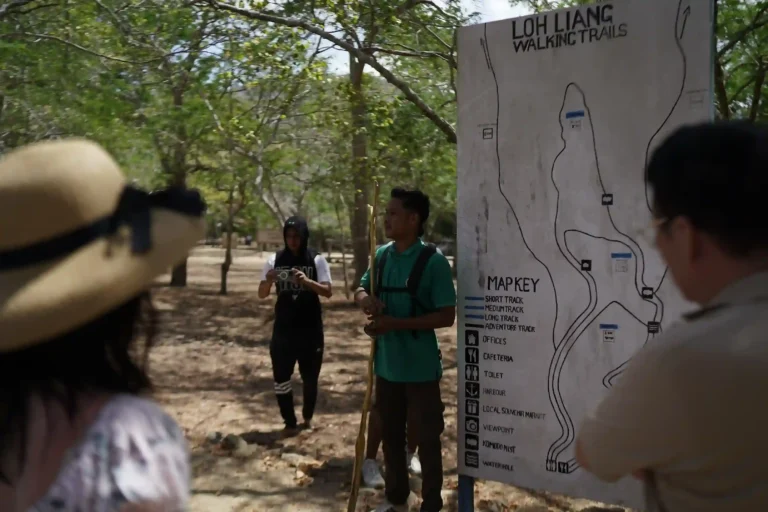
Short, medium or long loop from Loh Liang. Most groups take the medium, which is about an hour on flat ground.
KOMODO NATIONAL PARK
The island the dragons are named after. What the ranger walk is like, and how it fits into a day on the water.
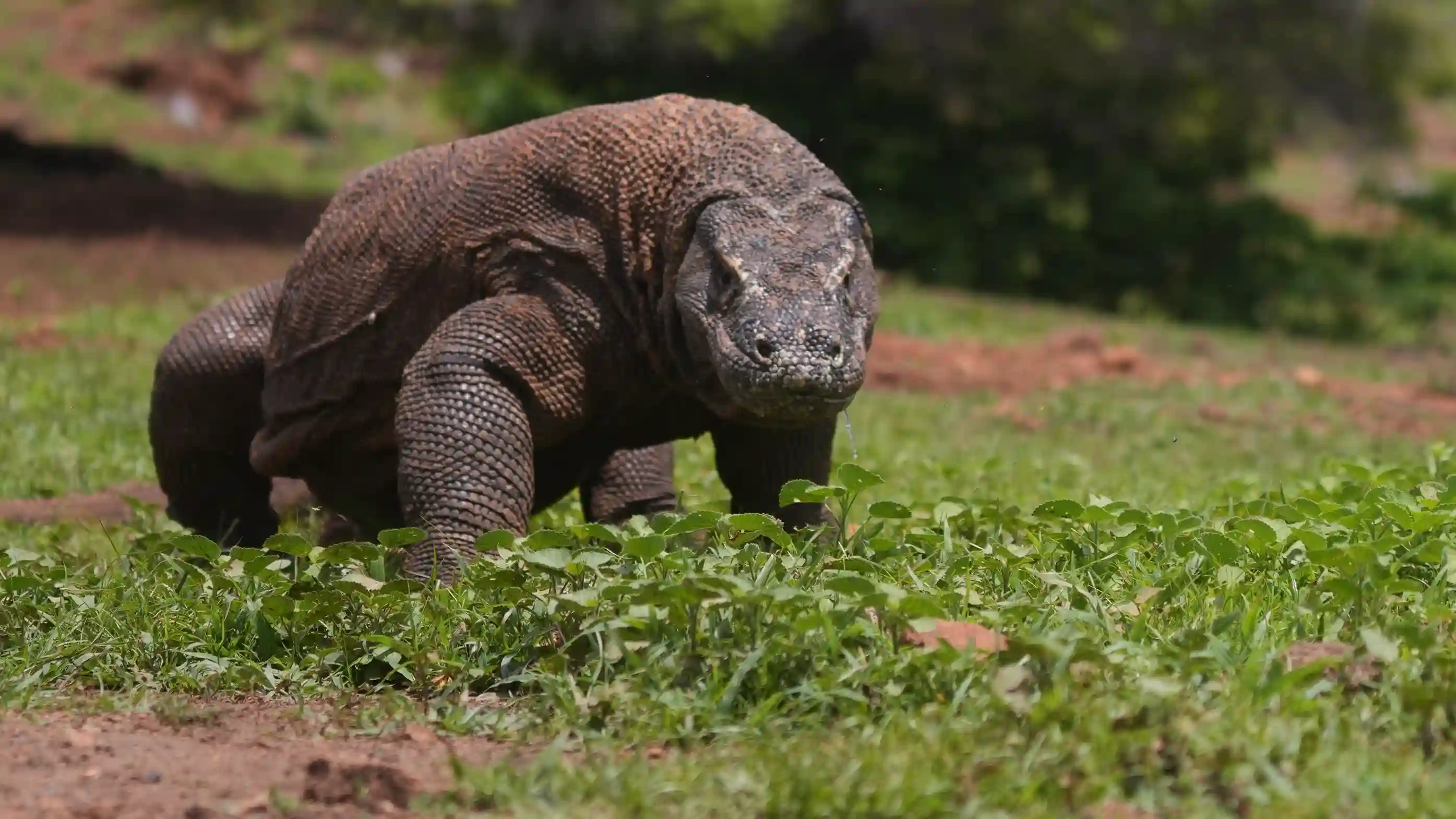
Komodo is the largest island in the national park and the one the Komodo dragon takes its name from. Visitors land at Loh Liang, walk a marked loop with an armed ranger, and leave again by boat. Nobody sees the island without a ranger and nobody stays overnight.
On the island
About ninety minutes ashore, most of it walking.
Short, medium or long loop from Loh Liang. Most groups take the medium, which is about an hour on flat ground.
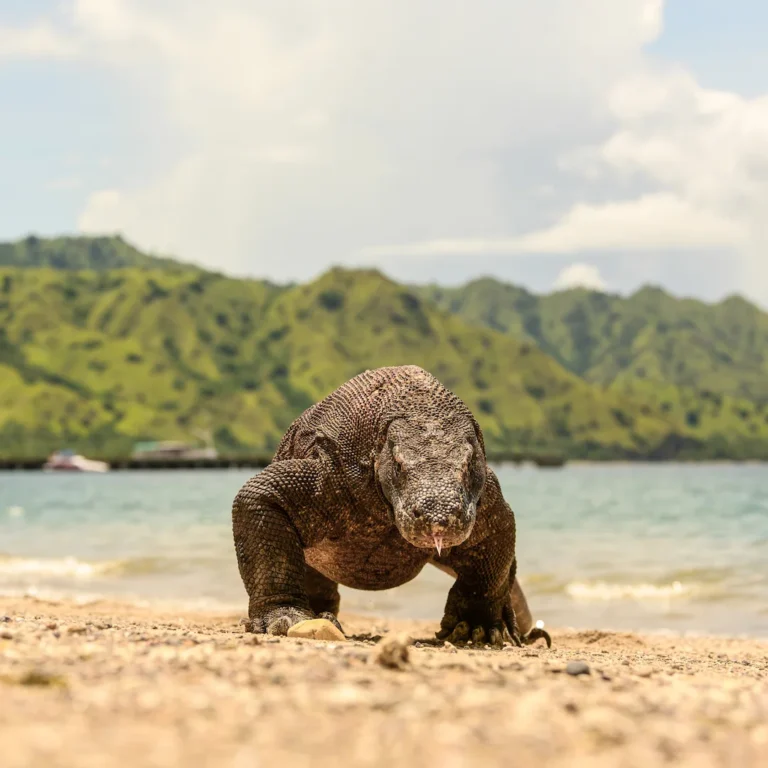
They are wild and they move. Rangers know the water holes and the kitchen area where they tend to rest.
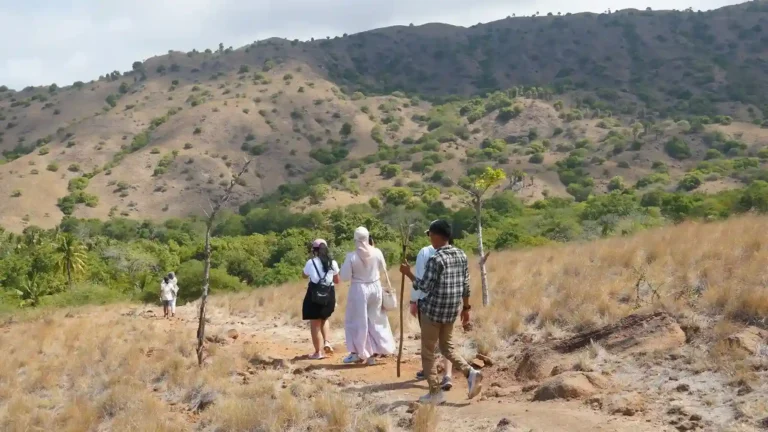
Smaller island, shorter crossing, and a higher hit rate on sightings. Many routes go there instead.
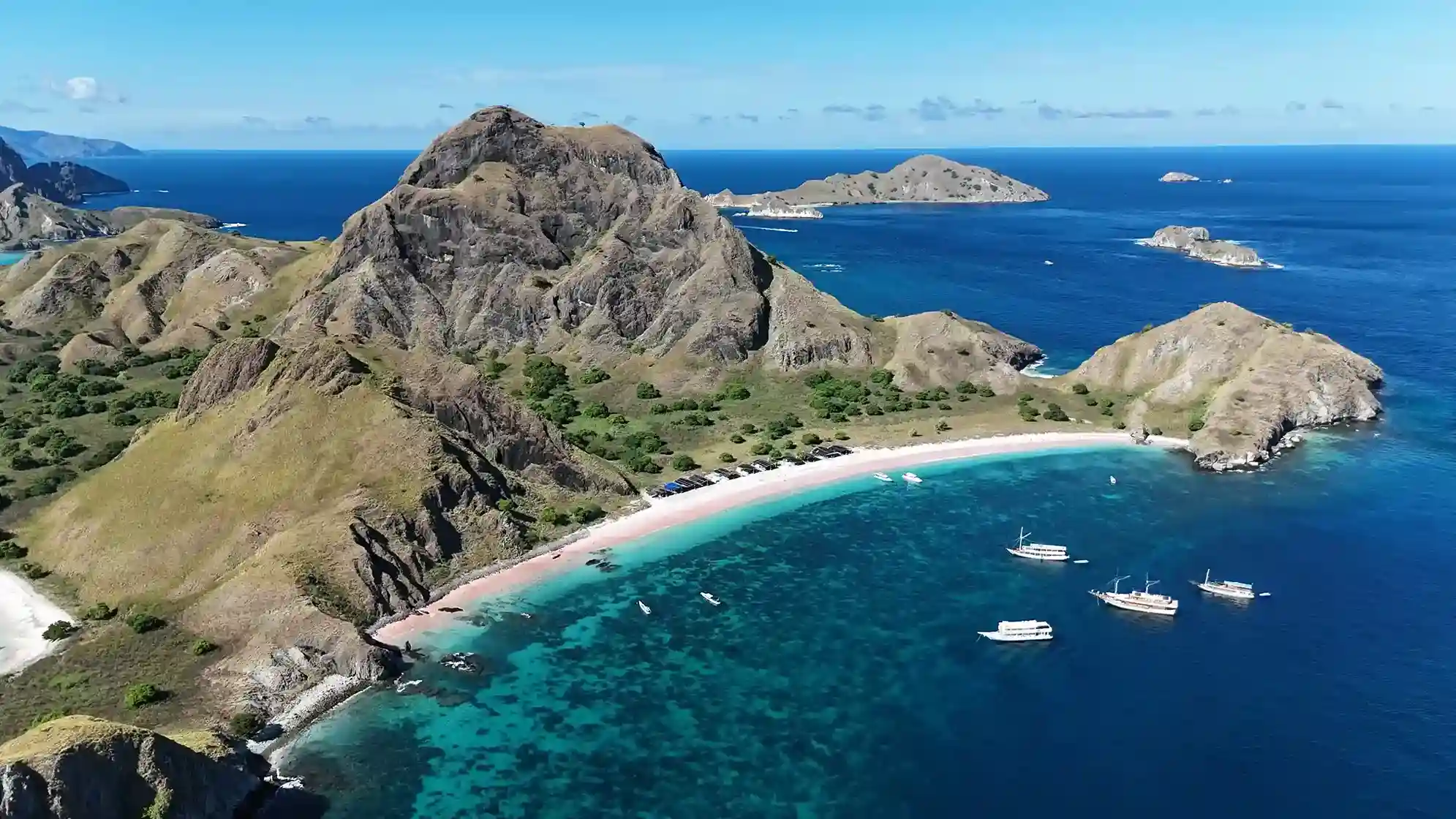
Same island, a short hop around the coast. Nearly every route pairs the dragons with the snorkel stop.
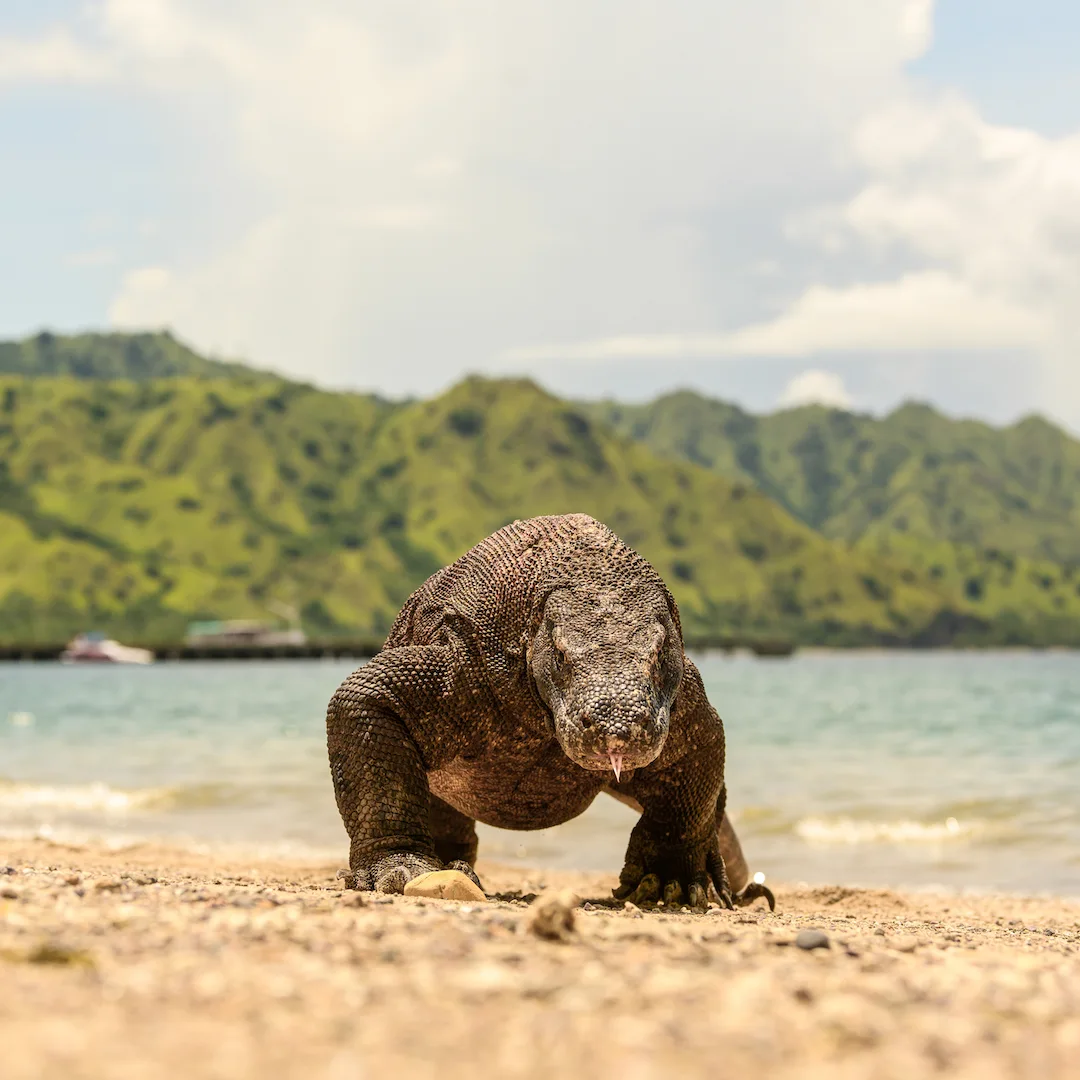
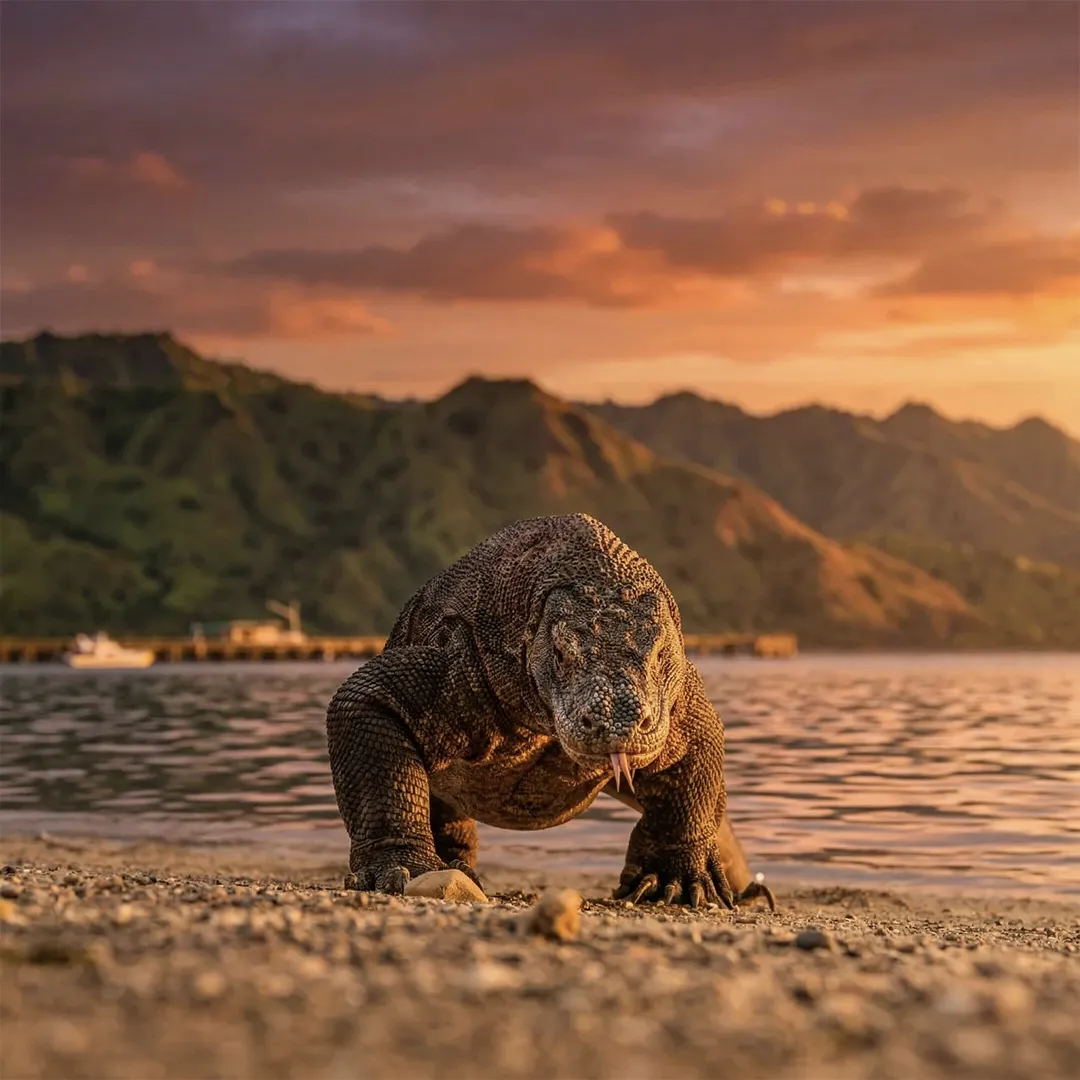
Close enough to photograph without a long lens, and further than most people expect from the pictures. The ranger sets the distance and it is not negotiable. Dragons are fast over short ground and they are not tame.
They are also, most of the day, asleep. The animal you photograph will usually be lying in shade doing nothing at all, which is worth knowing before you build the trip around it.
From stepping off the boat to stepping back on.
The boat ties up at the jetty. Park entry is checked here and is included in what we quote.
Groups are split across rangers, usually one ranger to five or six people, and you pick the loop length.
Flat, dry and hot. Around an hour on the medium route, with stops wherever a dragon is.
A short hop around the coast, then in the water. Most routes go straight from one to the other.
Tell your guide if anyone in the group has an open wound. Dragons track blood, and rangers will change the route rather than take the chance.
Two islands, same animal. Most day trips take one, not both.
Crossing
Sightings
Terrain
Crowds
Pairs with
If seeing a dragon is the point of the trip, Rinca is the safer bet. If the name matters to you, go to Komodo.
Most of our routes already include Komodo or Rinca. Tell us your dates and we will tell you which one suits the day.